Sojourner
Join the beta

Alternatives · Back
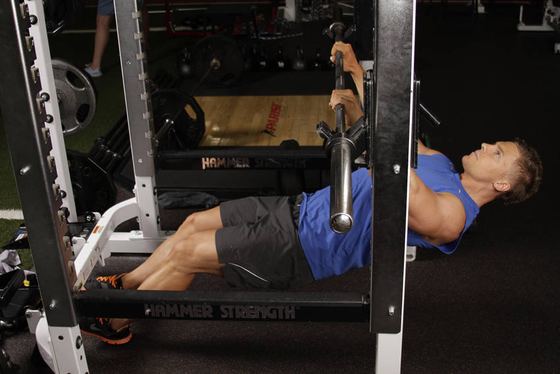
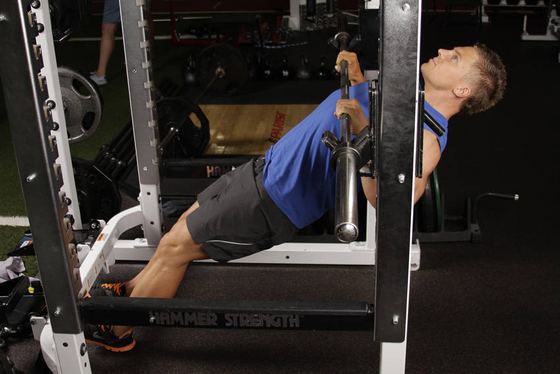
Inverted row alternatives: 8 swaps for the same movement, and what changes
When you want an easier or harder version, or you're training somewhere else, these are the swaps for the inverted row from Sojourner's library: the same row movement for the back, ranked for this exercise, with what changes in each.
01
The closest swaps
For the inverted row, the closest are the barbell row, dumbbell row and pendlay row. Every swap below is the same row movement for the back, ranked for this exercise: same equipment first, then the same setup, then the rest.
| Swap | Equipment | Works | What's different |
|---|---|---|---|
| Barbell row | Barbell | Lats and mid traps & rhomboids | Bent over with a barbell, torso close to parallel with the floor. |
| Dumbbell row | Dumbbell | Lats and mid traps & rhomboids | One hand and knee on a bench, rowing with the other arm. |
| Pendlay row | Barbell | – | Every rep starts from the floor, with your back flat. |
| Underhand barbell row | Barbell | – | Palms facing you. |
| Seal row | Barbell | – | Lying face down on a raised bench, so there's no swing. |
| T-bar row | Landmine | – | A barbell anchored at one end, rowed with a close handle. |
| Chest-supported T-bar row | Machine | – | Your chest rests on a bench, so your lower back doesn't have to hold you in position. |
| Meadows row | Landmine | – | A one-arm row from the end of a landmine. |
"Works" is the main muscle the exercise is built around, from its film or its guide; a dash means the app has no guide for it yet.
02
By what you have
Barbell
Both hands on one bar: usually the version you can load heaviest, but it needs a bar, plates and often a rack. Barbell row, Pendlay row, Underhand barbell row, Seal row.
Dumbbell
A dumbbell in each hand: each side moves its own weight, so a weaker side can't hide. Dumbbell row.
Landmine
One end of a barbell anchored in a corner or a landmine unit. T-bar row, Meadows row.
Machine
The machine sets the path, so there's less to balance and it's easier to work close to failure safely. Chest-supported T-bar row.
03
Starting weight on a swap
There's no exact conversion between equipment: the barbell, dumbbell and landmine versions of the row feel different at the same number. Pick a weight you can lift for the bottom of the rep range with two or three reps left, log it, and let the reps decide from there. If it was too easy, the next session's suggestion moves it.
That's the double progression rule: add reps until every set reaches the top of the range, then add the smallest weight step.
04
Swapping in Sojourner
In Gym mode, the ⋯ menu on an exercise offers swaps from the same movement family for the same muscles, filtered to the equipment you've told the app you have. A swap is for today: the plan stays as written. The swapped exercise keeps its own history under its own name, so its next weight comes from the last time you did it, not from the inverted row. The first time, the app asks you to type a weight.
Back to the inverted row: how to do it, the muscles it works and when to add weight.
It's in one starting plan: Bodyweight: strength & skills.
Sojourner: Habits & Training
Swap it for today. The plan stays.
In Sojourner, a swap is for today only, and each exercise keeps its own next weight. Free iPhone beta on TestFlight, no account.
TestFlight public beta · iOS 26 or later · Android in development