Sojourner
Join the beta

Alternatives · Shoulders
Reverse pec deck alternatives: 6 swaps for the same movement, and what changes
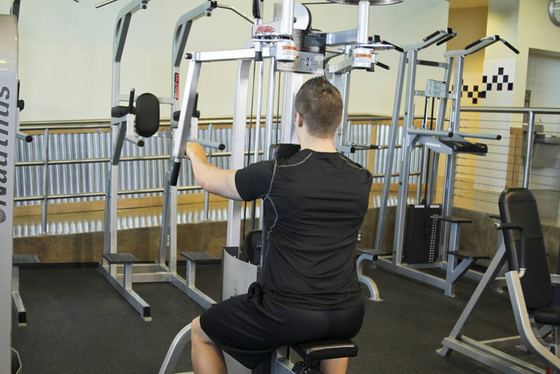
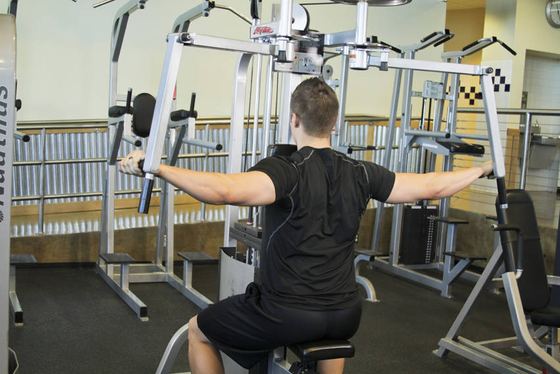
When the station is taken or you're training somewhere else, these are the swaps for the reverse pec deck from Sojourner's library: the same rear-delt movement for the shoulders, ranked for this exercise, with what changes in each.
01
The closest swaps
For the reverse pec deck, the closest are the face pull, cable rear delt fly and band pull-apart. Every swap below is the same rear-delt movement for the shoulders, ranked for this exercise: same equipment first, then the same setup, then the rest.
| Swap | Equipment | Works | What's different |
|---|---|---|---|
| Face pull | Cable | Rear delt and rotator cuff | A rope pulled toward your face, hands apart at the end. |
| Cable rear delt fly | Cable | Shoulders | Cables crossed at shoulder height, pulling your arms out wide. |
| Band pull-apart | Band | Shoulders | Pulling a band apart at chest height, arms straight. |
| Bent-over rear delt fly | Dumbbell | – | Bent over with dumbbells, raising your arms out wide. |
| Chest-supported rear delt fly | Dumbbell | – | Your chest rests on a bench, so your lower back doesn't have to hold you in position. |
| Rear delt row | Dumbbell | – | A row with your elbows flared out wide. |
"Works" is the main muscle the exercise is built around, from its film or its guide; a dash means the app has no guide for it yet.
02
By what you have
Cable
The cable keeps tension on through the whole rep; set the pulley height to match the angle. Face pull, Cable rear delt fly.
Band
A resistance band does part of the work. Band pull-apart.
Dumbbell
A dumbbell in each hand: each side moves its own weight, so a weaker side can't hide. Bent-over rear delt fly, Chest-supported rear delt fly, Rear delt row.
03
Starting weight on a swap
There's no exact conversion between equipment: the machine, cable and dumbbell versions of the rear-delt feel different at the same number. Pick a weight you can lift for the bottom of the rep range with two or three reps left, log it, and let the reps decide from there. If it was too easy, the next session's suggestion moves it.
That's the double progression rule: add reps until every set reaches the top of the range, then add the smallest weight step.
04
Swapping in Sojourner
In Gym mode, the ⋯ menu on an exercise offers swaps from the same movement family for the same muscles, filtered to the equipment you've told the app you have. A swap is for today: the plan stays as written. The swapped exercise keeps its own history under its own name, so its next weight comes from the last time you did it, not from the reverse pec deck. The first time, the app asks you to type a weight.
Back to the reverse pec deck: how to do it, the muscles it works and when to add weight.
It's in 2 of the starting plans: Bro split and Push / Pull / Legs ×2.
Sojourner: Habits & Training
Swap it for today. The plan stays.
In Sojourner, a swap is for today only, and each exercise keeps its own next weight. Free iPhone beta on TestFlight, no account.
TestFlight public beta · iOS 26 or later · Android in development